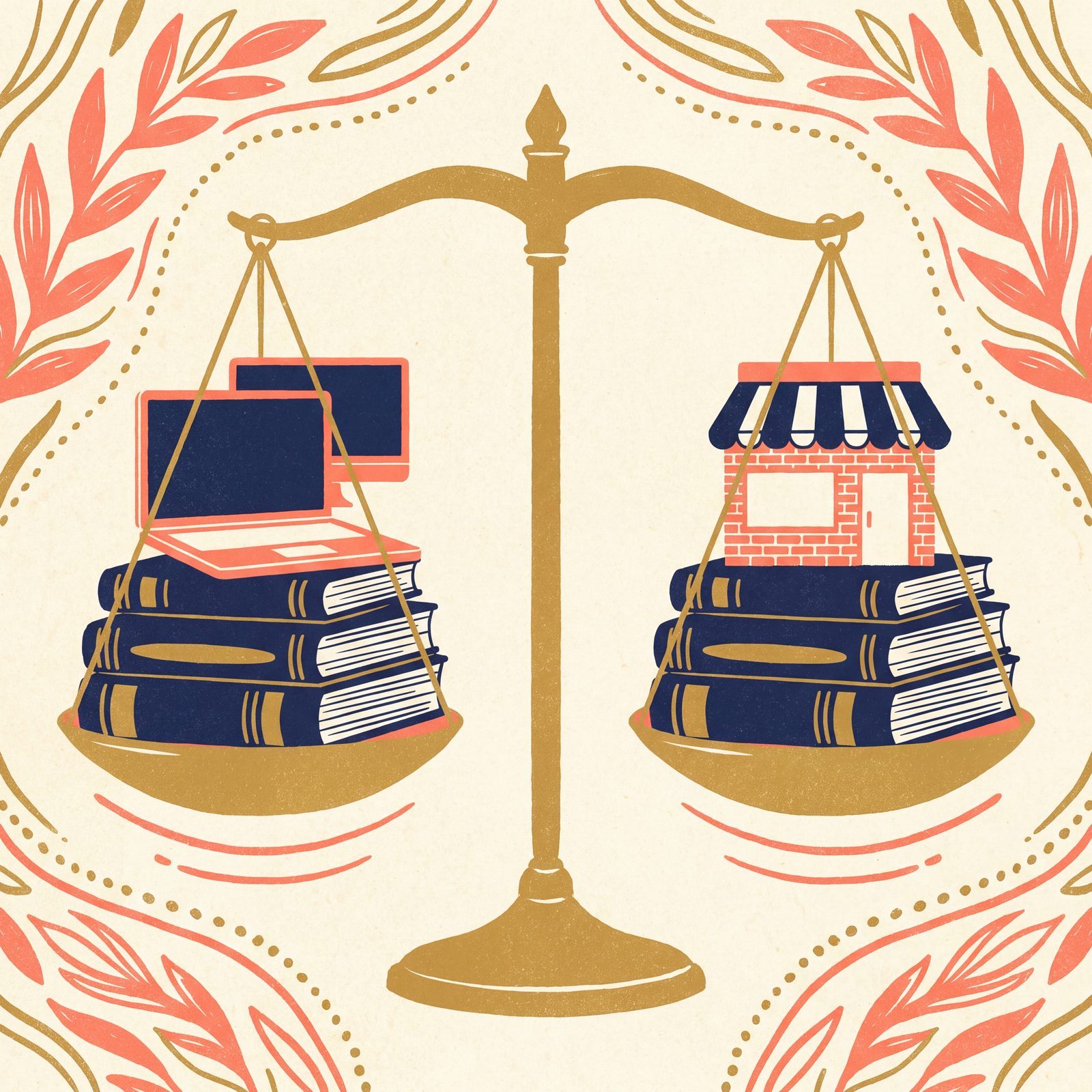
If you’re getting ready to self-publish your book, there’s a big question you’re probably Googling at midnight: Amazon KDP or IngramSpark?
Both are powerhouse platforms for indie authors. Both have loyal fans. And both have real pros and cons that nobody explains clearly until you’ve already made your choice (and sometimes regretted it).
At Book Ready, we believe authors deserve the truth — not a sales pitch. So here’s the honest, no-fluff breakdown to help you decide which platform is right for your book in 2026.
What is Amazon KDP?
Amazon KDP (Kindle Direct Publishing) is Amazon’s free self-publishing platform. It allows authors to publish ebooks, paperbacks, and hardcovers directly to Amazon’s massive marketplace.
Best for: Authors who want fast, free, easy publishing with the biggest online reach.
What is IngramSpark?
IngramSpark is a print-on-demand and distribution platform owned by Ingram Content Group — the largest book distributor in the world. It connects your book to over 40,000 bookstores, libraries, and online retailers worldwide.
Best for: Authors who want their books in physical bookstores, libraries, and global retail channels.
Amazon KDP: The Pros
It’s 100% free to publish
No upfront costs. No setup fees. You keep your money in your pocket until your first sale.
Huge audience built-in
Amazon dominates online book sales (over 70% of ebook sales in the U.S. alone). Publishing to KDP means instant visibility to millions of readers.
Easy, beginner-friendly setup
KDP walks you through the process step by step — most new authors can publish their first book in an afternoon.
Fast publishing turnaround
Once you hit publish, your book is usually live within 72 hours.
Higher royalties on ebooks
You can earn up to 70% royalty on ebooks priced between $2.99–$9.99.
Author copies at cost
You can order your own books at print cost — great for signings, gift shops, and direct sales.
Amazon KDP: The Cons
Limited bookstore distribution
KDP’s expanded distribution exists, but most bookstores and libraries won’t order from Amazon directly.
Standard-only color for hardcovers
KDP hardcovers only support standard color printing. Picture books and illustrated books often look dull or banded.
Amazon “owns” your readers
You don’t get customer info, emails, or the ability to build a direct relationship with your readers.
KDP Select = exclusivity trap
Enrolling in KDP Select (for extra promo perks) locks your ebook to Amazon for 90 days at a time.
IngramSpark: The Pros
Global bookstore distribution
IngramSpark connects your book to every major bookstore, indie shop, and library through Ingram’s distribution network.
Premium print quality
IngramSpark offers premium color and paper options that KDP doesn’t. Picture books, art books, and illustrated works look noticeably better.
More trim sizes and binding options
Want a premium hardcover with dust jacket? Ingram has it. Want a bigger picture book size? Ingram offers it.
Respect from the industry
Bookstores, libraries, and reviewers often take Ingram-distributed books more seriously than KDP-only books.
IngramSpark: The Cons
Setup fees (sometimes)
Depending on current promotions, there can be a fee per title to upload. Always check their current pricing.
Returns policy can hurt you
This is a BIG one. If you allow bookstore returns, you can be charged full cost (up to $6+) for every unsold book returned. Many authors have lost money this way.
Steeper learning curve
Ingram’s dashboard is not beginner-friendly. File requirements are stricter and rejections are more common.
Slower royalty payments
Ingram pays on a 90-day delay, vs KDP’s 60-day payment schedule.
Amazon KDP vs IngramSpark: Side-by-Side
| Feature | Amazon KDP | IngramSpark |
|---|---|---|
| Cost to publish | Free | Sometimes a fee |
| Online reach | Massive (Amazon) | Wide (all online + retail) |
| Bookstore distribution | Limited | Excellent |
| Print quality | Standard | Premium options |
| Royalty rate (ebook) | Up to 70% | Up to 40% |
| Royalty rate (print) | 60% of list minus cost | 45% of list minus cost |
| Ease of use | Beginner-friendly | Steeper learning curve |
| Returns risk | Low | High (if enabled) |
So… Which One Should You Choose?
Here’s our honest take at Book Ready:
Choose Amazon KDP if:
- You’re publishing your first book
- You want the easiest, fastest, free path to publishing
- Your main sales will be online
- You’re writing fiction, memoir, or adult nonfiction (not picture books)
Choose IngramSpark if:
- You want your book in bookstores or libraries
- You’re publishing a children’s picture book, art book, or premium illustrated work
- You want dust jackets, premium color, or specialty trim sizes
- You want to be taken seriously by traditional book retailers
Use BOTH if you can:
This is what most successful indie authors do. Publish your ebook + paperback on KDP (for massive online reach) and publish your hardcover + print edition on IngramSpark (for bookstore distribution). You get the best of both worlds.
Just be careful: Don’t enroll in KDP Select if you’re using IngramSpark — KDP Select requires Amazon exclusivity for ebooks.
Pro Tips Before You Publish Anywhere
- Turn OFF returns in IngramSpark if you can’t afford the risk — or set it to “destroy” rather than return.
- Always order a proof copy before releasing to the public.
- Build your email list NOW — it’s the one asset you OWN regardless of platform.
- Keep your cover files and interior PDFs organized — you’ll reuse them constantly.
Final Thoughts
There’s no single “right” answer to Amazon KDP vs IngramSpark — only the right answer for YOU and your book.
If you’re a brand-new author with a novel, start with KDP. If you’re publishing a children’s picture book or hardcover art book, lean Ingram. If you have the budget and energy, use both strategically.
At Book Ready, we help indie authors figure this out without the guesswork — no scammy upsells, just real guidance from authors who’ve been there.
You’ve got this.
FAQs
Q: Can I use both Amazon KDP and IngramSpark for the same book?
A: Yes! Most successful indie authors do. Just avoid KDP Select (which requires Amazon ebook exclusivity).
Q: Is IngramSpark better than KDP?
A: Neither is “better” — they serve different purposes. KDP wins for online reach; Ingram wins for bookstore distribution and print quality.
Q: Do bookstores order from Amazon KDP?
A: Rarely. Most bookstores order through Ingram because they can return unsold copies.
Q: How much does it cost to publish on IngramSpark?
A: Ingram sometimes charges a small setup fee per title, though they often run free promotions. Always check current pricing.